
Adjustment Versus Selfhood
One Flew Over the Cuckoo's NestThis thematic thread explores the conflict between being declared well through conformity and preserving a self that does not fit the institution.
increasing Bearing strength in each event
 decreasing
Bearing strength in each eventdecreasingThe Language of Adjustment
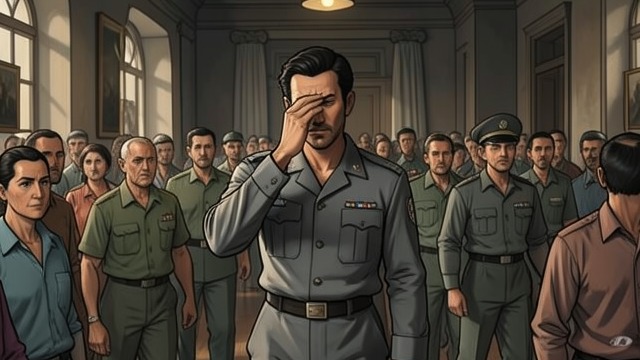
The Language of Adjustment
A Standard of Normality
The staff describes treatment as helping patients adjust to society. The phrase makes social conformity sound like the same thing as health.
A Question of Cost
Chief Bromden sees that adjustment may require giving up individuality. His perspective asks who benefits when a person is made easier to manage.
The Group as Model Society
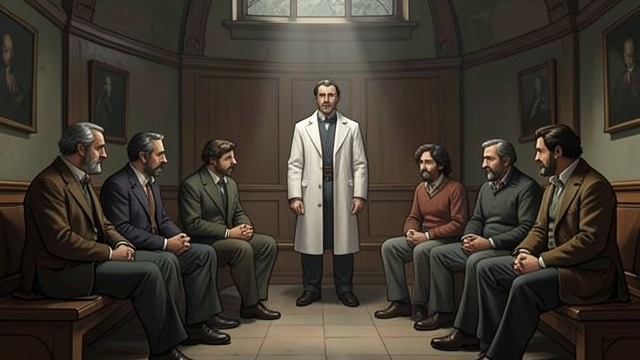
The Group as Model Society
Democratic Claims
Dr. Spivey says the ward models the wider community and teaches patients to function within a group. The model includes discussion, participation, and shared responsibility.
Surveillance Beneath Participation
Patients are also encouraged to report one another's disclosures. The practice complicates the ideal by making social adjustment depend on observation and exposure.
Refusing a Label
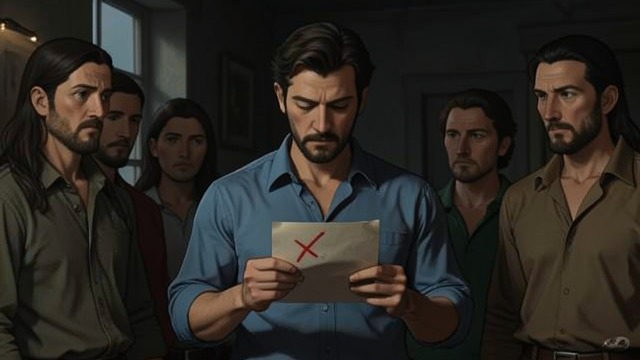
Refusing a Label
Diagnosis as Convenience
McMurphy accepts the label of psychopath when it helps him leave the work farm. He uses diagnosis strategically instead of allowing it to define his entire identity.
Uncertain Self-Knowledge
His performance raises a difficult question about who is pretending and who is being judged. The institution's labels reveal as much about its needs as about the patient.
Different Ways of Leaving
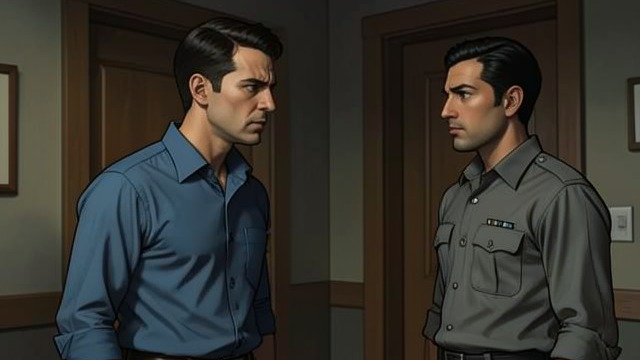
Different Ways of Leaving
Escape or Discharge
McMurphy proposes an immediate escape, while Harding wants to leave through formal channels and by his own effort. Chief Bromden is not yet certain where he wants to go.
Agency in Different Forms
The differences matter because freedom is not a single prescribed action. The men seek futures that preserve different kinds of dignity and choice.
An Unfinished Freedom
An Unfinished Freedom
Leaving the Hospital
Chief Bromden escapes after McMurphy's death, rejecting the institution's effort to keep him fixed in place. The act follows years of enforced silence and diminished self-image.
No Simple Cure
He leaves with grief and an uncertain destination, not with every wound repaired. The ending treats selfhood as a continuing choice rather than a completed institutional outcome.
During Nurse Ratched's explanation of treatment
During Dr. Spivey's therapeutic explanation
During McMurphy's admission discussion
During the midnight party
At the end of the novel
